
Bad breath in dogs is one of the most common concerns pet owners mention during veterinary visits, and it often raises important questions. Many people assume unpleasant breath is just part of having a dog, but that belief can overlook meaningful changes happening in the mouth. Bad breath in dogs can range from mild and temporary to strong and persistent, and the difference matters more than most realize. At Creekside Pet Care Center in Keller, Texas, our team sees firsthand how dental health affects a dog’s comfort, appetite, and overall quality of life. This blog explores bad breath in dogs in detail, explains when it deserves closer attention, and outlines how professional dental care plays a key role in managing it. If your dog’s breath has changed or seems stronger than usual, call (817) 421-5850 or book an appointment online today to schedule an evaluation.
What Causes Bad Breath in Dogs?
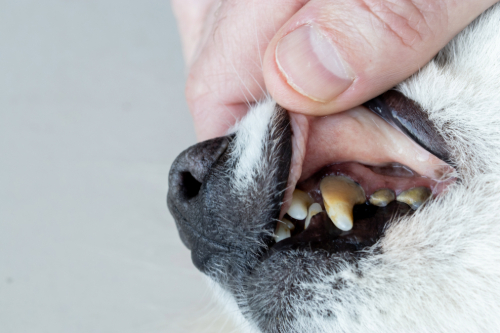
Bad breath in dogs often starts in the mouth, but the reasons behind it can vary widely. In many cases, odor develops when bacteria build up on the teeth and gums. These bacteria release sulfur-like compounds that create the unpleasant smell pet owners notice. Over time, plaque hardens into tartar, which traps even more bacteria and makes bad breath in dogs stronger and more persistent.
Diet and Trapped Food Particles
Diet can also influence bad breath in dogs, especially if food particles linger along the gumline or between teeth. Dogs that chew on toys, treats, or non-food items may introduce additional debris into the mouth. Saliva helps wash away some bacteria, but it cannot remove plaque once it begins to harden. As dental buildup increases, the smell becomes harder to ignore.
Changes Below the Gumline
Bad breath in dogs may also reflect changes beneath the gumline. Inflammation of the gums creates pockets where bacteria thrive, often without visible signs at first. This process allows odor to develop gradually, which is why many pet owners become accustomed to it before realizing something has changed. Regular dental exams help identify these issues early, before they progress further.
When Bad Breath in Dogs Becomes a Red Flag
While occasional odor can occur, persistent bad breath in dogs deserves attention. A strong or worsening smell often signals underlying dental disease rather than a temporary issue. Dogs are skilled at hiding discomfort, so bad breath in dogs may be one of the few noticeable clues that something is wrong.
Subtle Behavioral Changes
Changes in breath odor sometimes appear alongside other subtle signs. A dog may chew differently, favor one side of the mouth, or show less interest in toys or food. Drooling more than usual or pawing at the mouth can also accompany bad breath in dogs. These changes may develop slowly, which makes them easy to overlook.
Indicators Beyond Dental Concerns
Bad breath in dogs can also reflect issues beyond the teeth. Certain systemic conditions may alter the way the breath smells, giving it a sweet, metallic, or unusually foul odor. It is important to recognize that breath changes are never meaningless. A veterinary evaluation helps determine whether bad breath in dogs is limited to dental concerns or linked to other health factors.
How Dental Disease Contributes to Bad Breath in Dogs
Dental disease remains one of the leading causes of bad breath in dogs. The process typically begins with plaque formation, which is made up of bacteria and food debris. Without professional removal, plaque hardens into tartar that adheres firmly to the teeth. This buildup creates an ideal environment for bacteria to multiply.
Gum Inflammation and Odor
As dental disease progresses, bacteria move below the gumline and cause inflammation. This inflammation damages the tissues that support the teeth, leading to discomfort and further odor. Bad breath in dogs often becomes stronger as gum disease advances because deeper pockets harbor more bacteria. Even dogs that eat well and appear healthy can develop significant dental disease beneath the surface.
Addressing Hidden Dental Issues
Professional dental cleanings address these hidden areas that cannot be reached through routine care alone. By removing plaque and tartar both above and below the gumline, veterinary dental services reduce the bacterial load responsible for bad breath in dogs. Regular dental care also supports healthier gums, which helps limit future odor development.
Why Early Dental Care Makes a Difference
Early intervention plays a major role in managing bad breath in dogs. When dental disease is identified in its earlier stages, treatment focuses on preventing progression rather than addressing advanced damage. This proactive approach helps preserve tooth structure and gum health over time.
The Importance of Routine Evaluations
Bad breath in dogs often worsens gradually, which makes it easy to underestimate its significance. Regular veterinary exams provide an opportunity to assess the mouth even when outward signs seem minor. Dental evaluations allow veterinarians to track changes in odor, gum appearance, and tooth condition. These insights help guide timely recommendations for professional cleaning or further diagnostics.
Supporting Daily Comfort
Consistent dental care also improves a dog’s daily comfort. Dogs rely on their mouths for eating, playing, and exploring their environment. Addressing bad breath in dogs early supports these activities by maintaining healthier oral tissues. Pet owners often notice improvements in appetite and overall demeanor once dental issues are addressed professionally.
The Role of Professional Dental Services
Professional dental services form the foundation of managing bad breath in dogs. Dog teeth cleaning at Creekside Pet Care Center goes beyond cosmetic improvement and focuses on removing bacteria that contribute to odor and disease. This procedure allows thorough cleaning of areas that cannot be safely accessed while a dog is awake.
Identifying Problem Areas
During a dental procedure, the veterinary team evaluates each tooth and the surrounding gum tissue. This detailed assessment helps identify problem areas that may not be visible during a routine exam. Addressing these areas reduces the source of bad breath in dogs and supports healthier oral structures moving forward.
Planning Ongoing Dental Care
Dental services also provide valuable information for long-term care planning. By understanding a dog’s dental history and current condition, veterinarians can recommend appropriate follow-up schedules. This tailored approach helps manage bad breath in dogs more effectively over time and reduces the likelihood of advanced dental disease.
How Age and Breed Influence Bad Breath in Dogs
Age plays a significant role in the development of bad breath in dogs. Puppies may experience mild odor during teething, while adult dogs are more likely to develop plaque-related issues. Senior dogs often face increased dental challenges due to years of buildup and natural changes in gum health.
Breed-Specific Dental Factors
Breed characteristics also affect dental health and odor. Small and toy breeds tend to have crowded teeth, which allows plaque to accumulate more easily. This crowding often leads to earlier onset of bad breath in dogs within these breeds. Larger breeds may develop dental disease later, but they are not immune to odor-related issues.
Monitoring Risk Factors
Understanding these risk factors helps pet owners stay attentive to changes in breath over time. Regular dental evaluations allow veterinarians to monitor how age and breed influence oral health. Addressing bad breath in dogs with these factors in mind supports more effective, individualized care.
How Routine Veterinary Visits Support Oral Health
Routine veterinary visits provide ongoing insight into a dog’s dental condition. Even when a dog appears comfortable, subtle changes in the mouth may be developing. Regular exams allow veterinarians to detect early signs associated with bad breath in dogs before they become more serious.
Establishing a Dental Baseline
During wellness visits, dental checks help establish a baseline for what is normal for each dog. This baseline makes it easier to identify changes in breath odor, gum color, or tooth appearance. Tracking these details over time strengthens the overall approach to managing bad breath in dogs.
Encouraging Open Communication
These visits also give pet owners the opportunity to discuss concerns and ask questions about dental care options. Clear communication between pet owners and the veterinary team supports informed decisions and timely treatment. Consistent care helps reduce surprises and promotes steadier oral health outcomes.
Supporting Your Dog’s Comfort Through Dental Care
Addressing bad breath in dogs is about more than freshening the air. Oral health directly affects how dogs feel every day. Dental disease can create discomfort that influences eating habits, play behavior, and overall mood. By prioritizing dental care, pet owners support both physical comfort and emotional well-being.
Improvements After Dental Treatment
Professional dental services remove the sources of odor and inflammation that contribute to discomfort. After dental treatment, many dogs show renewed interest in food and activity. These improvements reflect the close connection between oral health and overall vitality.
Partnering With Your Veterinary Team
At Creekside Pet Care Center, our team is committed to helping dogs in Keller, Texas enjoy healthier mouths and more comfortable lives. If you have concerns about bad breath in dogs or want to learn more about our dental services, call (817) 421-5850 or book an appointment online today. Regular dental care supports fresher breath, healthier gums, and a better quality of life for your dog.