

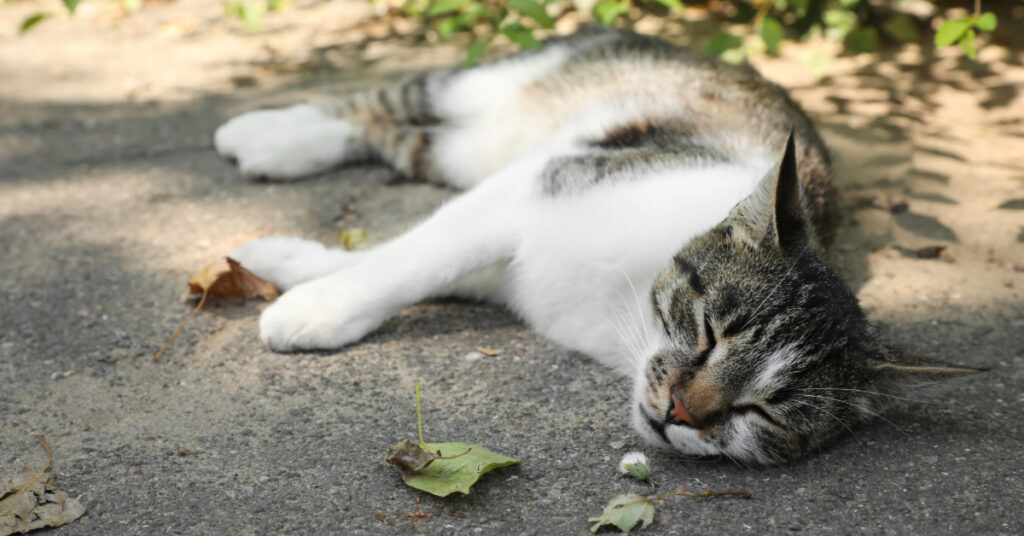
Yes, cats can get heatstroke, and it’s a genuine medical emergency that can escalate within minutes. While cats are often thought of as heat-tolerant creatures, cat heatstroke is a real risk, particularly during North Texas summers when temperatures and humidity climb together.
At Creekside Pet Care Center in Keller, Texas, we want local pet owners to understand exactly how cat heatstroke develops, which cats are most vulnerable, and what signs demand immediate veterinary attention. Because cats often hide discomfort well, recognizing heatstroke early can be lifesaving.
How Does Heatstroke Happen in Cats?
Cat heatstroke occurs when a cat’s body temperature rises beyond a safe range and the cat is unable to cool down fast enough through normal mechanisms like panting or grooming. Unlike dogs, cats rely less on panting and more on grooming and seeking cool environments to regulate body temperature, which can make them slower to respond to rapidly rising heat.
Common situations that lead to heatstroke in cats include:
- Being left in a hot car, even for a short period
- Limited access to shade, ventilation, or water outdoors
- Confinement in a hot room, garage, or enclosed porch
- Extended time in direct sun during peak summer heat
- Physical exertion during high temperatures, particularly in overweight cats
Which Cats Are Most at Risk of Heatstroke?
Certain cats face a higher risk of heatstroke than others. Brachycephalic breeds, such as Persians and Himalayans, have shorter airways that make efficient heat regulation more difficult. Senior cats, overweight cats, and those with underlying heart or respiratory conditions are also more vulnerable to the dangers of rising temperatures.
Symptoms of Heatstroke in Cats
Recognizing cat heatstroke symptoms quickly can make the difference between a full recovery and a life-threatening outcome. Because heatstroke progresses rapidly, understanding the signs ahead of time helps owners act without hesitation.
Symptoms of heatstroke in cats include:
- Excessive panting or open-mouth breathing, which is unusual for cats outside of extreme stress
- Bright red gums or tongue, indicating the body is struggling to cool itself
- Lethargy or sudden collapse, especially after time in a hot environment
- Vomiting or diarrhea, sometimes appearing alongside other heat-related symptoms
- Uncoordinated movement or disorientation as body temperature continues to climb
How Quickly Can Heatstroke Progress in Cats?
Cat heatstroke can progress from mild distress to a life-threatening emergency in a matter of minutes, particularly in enclosed spaces like a parked car, where interior temperatures can rise dramatically even on a moderately warm day. This rapid progression is exactly why any suspected case of heatstroke in a cat should be treated with urgency rather than a wait-and-see approach.
What Should You Do If You Suspect Cat Heatstroke?
If you believe your cat is experiencing heatstroke, moving them to a cool, shaded, or air-conditioned space right away is an important first step, followed by contacting Creekside Pet Care Center or the nearest emergency veterinary hospital immediately. Heatstroke in cats requires professional evaluation, as internal damage can occur even after outward symptoms begin to improve.
Can Indoor Cats Get Heatstroke?
Yes, indoor cats can get heatstroke, particularly if they’re left in a room without adequate airflow, air conditioning, or access to water during a power outage or unusually hot day. While outdoor cats face more obvious exposure, indoor environments that trap heat, like sunrooms, garages, or poorly ventilated spaces, can put indoor cats at risk of heatstroke just as easily.
How Can You Prevent Heatstroke in Cats?
Preventing cat heatstroke starts with awareness of your cat’s environment, especially during Keller’s hottest months. Small precautions can significantly reduce the risk of heat-related illness.
Helpful prevention strategies include:
- Never leaving a cat in a parked car, even briefly
- Providing constant access to fresh, cool water
- Ensuring indoor spaces stay well-ventilated or air-conditioned during heat waves
- Limiting outdoor time during peak afternoon heat
- Monitoring at-risk cats, including seniors and brachycephalic breeds, more closely in summer
When Should You Seek Emergency Care for Cat Heatstroke?
Any cat showing signs of heatstroke including excessive panting, bright red gums, disorientation, or collapse needs immediate veterinary attention. Cat heatstroke is not something to monitor at home, as internal organ damage can occur quickly once body temperature rises to dangerous levels. Our team at Creekside Pet Care Center is equipped to evaluate and stabilize cats experiencing heat-related emergencies.
Protecting Your Cat as Temperatures Rise
Understanding that cats can get heatstroke is an important part of responsible pet ownership in North Texas, where summer heat can be relentless. By recognizing the early symptoms and taking preventive steps, you can significantly reduce your cat’s risk of a heat-related emergency. If you’re ever concerned that your cat may be overheating, don’t wait to see if symptoms improve on their own. Reach out to Creekside Pet Care Center in Keller, Texas right away so our veterinary team can help assess and address the situation.
Staying Alert Through the Hottest Months
Cat heatstroke is a serious but preventable danger, and knowing the signs ahead of time equips you to act quickly if the situation arises. From limiting sun exposure to recognizing early symptoms, small steps make a big difference in keeping your cat safe. If you have any concerns about your cat’s response to summer heat, our team at Creekside Pet Care Center is here to help. Call us at (817) 421-5850 or book an appointment online today!