

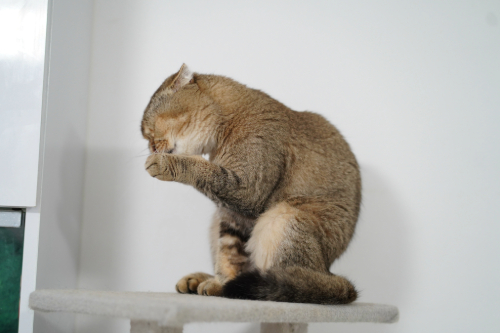
Are hairballs in cats normal? Many pet owners in Keller, Texas ask this question after finding a tube-shaped clump on the floor or hearing their cat cough and gag. Cats and hairballs often go hand in hand, but that does not mean every hairball should be ignored. Understanding why cats and hairballs occur, what is considered typical behavior, and when hairballs may signal a deeper issue helps pet owners make informed decisions about their cat’s care. This blog explores cats and hairballs in detail, explains what is normal versus concerning, and outlines when it makes sense to schedule a veterinary visit. If cats and hairballs have become a frequent concern in your home, this information will help you feel more confident about next steps.
Why Cats Get Hairballs
Cats and hairballs are closely connected because of the way cats groom themselves. A cat’s tongue has tiny hook-like structures that pull loose hair from the coat. During grooming, that hair gets swallowed and moves into the digestive tract. In many cases, the hair passes through the intestines and exits the body without any visible issue. When hair builds up in the stomach instead, cats and hairballs form as the body tries to expel it.
Hairballs develop gradually over time, not all at once. Each grooming session adds more loose hair to the digestive system. Cats that groom frequently or have thicker coats tend to swallow more hair. This explains why cats and hairballs are commonly discussed together, especially in households with long-haired breeds. While grooming is normal feline behavior, the amount of hair swallowed can vary greatly from cat to cat.
Are Hairballs in Cats Normal?
Cats and hairballs are often considered normal, but frequency matters. An occasional hairball may not raise concern, especially in cats that groom often. Many cats produce a hairball once or twice a month without showing other signs of discomfort. In these cases, cats and hairballs reflect normal grooming habits and digestion.
Problems arise when cats and hairballs become a regular event. Frequent coughing, gagging, or repeated attempts to bring up hair without success may point to irritation in the digestive system. Cats that vomit hairballs several times a week or show ongoing discomfort may need veterinary attention. While cats and hairballs can be part of everyday life, changes in frequency or behavior deserve a closer look.
Common Signs Associated With Hairballs
Cats and hairballs do not always appear the same way. Some cats quietly pass hair through their digestive tract, while others show noticeable signs before producing a hairball. Paying attention to these signs helps pet owners understand what their cat may be experiencing.
Coughing and Gagging Episodes
One of the most recognizable signs of cats and hairballs is coughing or gagging. Cats may crouch low to the ground, extend their neck, and make retching sounds. These episodes can last several seconds and may or may not result in a visible hairball. Occasional gagging fits can happen with cats and hairballs, but frequent episodes should not be overlooked.
Vomiting Without Producing a Hairball
Sometimes cats and hairballs cause vomiting that does not include hair. This can confuse pet owners who expect to see a hairball at the end of the episode. Repeated vomiting without hair may indicate that hair is irritating the stomach but not moving properly. This pattern suggests that cats and hairballs may not be resolving on their own.
Changes in Appetite or Behavior
Cats dealing with frequent hairballs may eat less or seem less interested in daily activities. Some cats become lethargic or irritable when cats and hairballs cause ongoing discomfort. Changes in appetite or mood often signal that something is off, even if hairballs seem like the obvious cause.
Which Cats Are More Prone to Hairballs?
Cats and hairballs affect some cats more than others. Certain factors increase the likelihood that a cat will experience frequent hairballs.
Long-Haired Breeds
Long-haired cats swallow more hair during grooming simply because they have more hair to manage. Breeds such as Maine Coons, Persians, and Ragdolls often experience cats and hairballs more frequently than short-haired cats. The length and density of the coat increase the amount of loose hair ingested each day.
Cats That Groom Excessively
Some cats groom more often due to stress, skin irritation, or behavioral habits. Excessive grooming leads to increased hair intake, making cats and hairballs more common. Even short-haired cats can struggle if grooming becomes excessive.
Older Cats
As cats age, digestion can slow slightly, making it harder for swallowed hair to move through the system. Older cats may also groom differently or less efficiently, which can change how cats and hairballs present over time. Age-related changes often explain why hairballs appear later in life.
When Hairballs May Signal a Bigger Problem
Cats and hairballs are not always harmless. In some cases, frequent hairballs may point to underlying concerns that deserve veterinary evaluation. Persistent coughing without producing a hairball can resemble other conditions that affect breathing or digestion. Ongoing vomiting, weight loss, or appetite changes alongside cats and hairballs may indicate digestive irritation or blockage. Cats that strain in the litter box or stop eating altogether may experience complications linked to hair buildup. These situations warrant prompt attention from a veterinary professional.
What a Veterinary Visit Can Reveal About Hairballs
When cats and hairballs become frequent, a veterinary visit provides clarity. Veterinarians look at the cat’s overall health, grooming habits, diet history, and behavior patterns. They may ask how often cats and hairballs occur and whether other symptoms appear alongside them.
A physical exam helps identify abdominal discomfort, dehydration, or weight changes. Diagnostic tools may be used to understand how hair moves through the digestive tract. The goal is to determine whether cats and hairballs reflect normal grooming or signal a need for further care. Professional evaluation removes guesswork and helps protect long-term health.
The Role of Routine Veterinary Care
Routine veterinary visits play an important role in managing cats and hairballs. Regular exams allow veterinarians to track changes over time and spot patterns early. Cats may not show obvious signs of discomfort until issues progress, which makes preventive care especially valuable. During wellness visits, veterinarians can discuss grooming habits, coat health, and digestive patterns. These conversations help pet owners understand what is typical for their cat and when cats and hairballs deserve closer attention. Establishing a baseline makes it easier to recognize changes that matter.
Supporting Your Cat’s Digestive Comfort
Cats and hairballs often improve when overall digestive health stays balanced. Veterinarians can offer insight into nutrition, grooming routines, and health factors that influence hairball frequency. A well-managed care plan supports digestion, skin health, and coat condition. These elements work together to reduce the likelihood that cats and hairballs become disruptive. Consistent veterinary involvement ensures that care decisions align with each cat’s individual needs.
When You Should Reach Out to Creekside Pet Care Center
Cats and hairballs can feel routine, but changes in frequency or behavior deserve attention. If your cat experiences frequent gagging, repeated vomiting, or noticeable discomfort, scheduling a veterinary visit offers peace of mind. The team at Creekside Pet Care Center in Keller, Texas works closely with pet owners to evaluate concerns and answer questions about cats and hairballs. If you want guidance on whether your cat’s hairballs fall within a normal range, call (817) 421-5850 or book an appointment online today. Addressing cats and hairballs early helps support comfort, digestion, and long-term health for your cat.