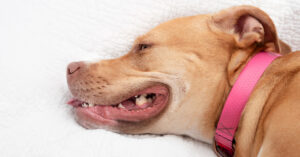

Your dog may be dehydrated if you notice dry or sticky gums, sunken eyes, lethargy, loss of appetite, thickened saliva, or skin that doesn’t spring back when gently pulled. Dog dehydration symptoms can develop quickly, especially during hot Texas summers, and catching them early can make all the difference in your dog’s recovery and comfort.
At Creekside Pet Care Center in Keller, Texas, we regularly treat dogs experiencing mild to moderate dehydration, particularly during the warmer months when outdoor activity and heat combine to increase fluid loss. Knowing how to recognize dog dehydration symptoms at home helps you act quickly and know when a trip to the vet is necessary.
What Causes Dehydration in Dogs?
Dehydration occurs when a dog loses more fluids than they take in, disrupting the balance of water and electrolytes their body needs to function properly. Several everyday situations can lead to dog dehydration symptoms, particularly in warm climates like North Texas.
Common causes of dehydration in dogs include:
- Excessive heat exposure or extended time outdoors during summer
- Vomiting or diarrhea that depletes fluids faster than they can be replaced
- Reduced water intake due to illness, stress, or unfamiliar surroundings
- Increased physical activity without adequate access to water
- Underlying medical conditions such as kidney disease or diabetes
Are Certain Dogs More at Risk of Dehydration?
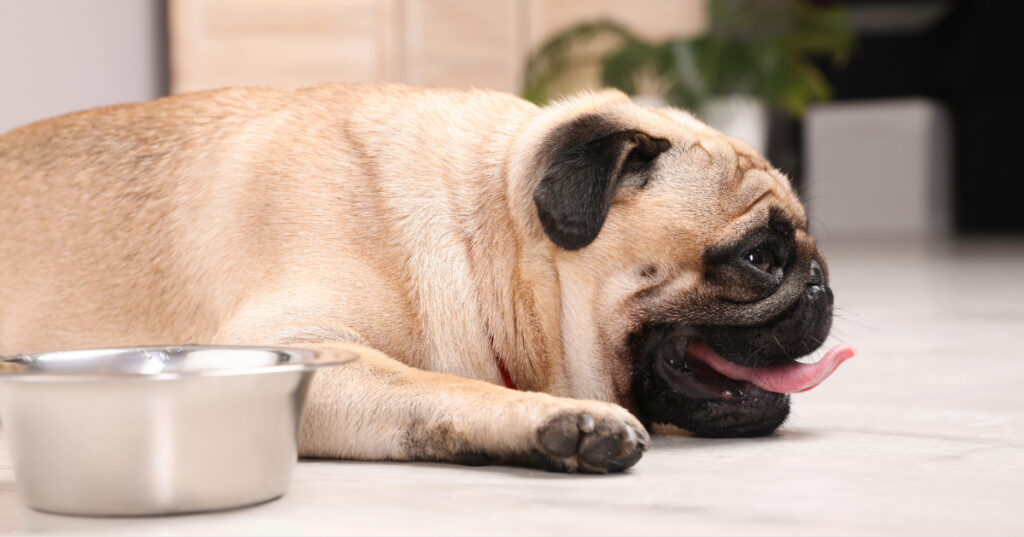
Yes, some dogs face a higher risk of dehydration than others. Puppies, senior dogs, and pets with chronic illnesses are generally less able to regulate fluid balance. Brachycephalic breeds, such as Bulldogs and Pugs, are also more prone to overheating and subsequent dehydration due to their limited ability to pant efficiently.
The 6 Critical Warning Signs of Dog Dehydration
Recognizing dog dehydration symptoms early is key to preventing more serious complications. Here are the six signs pet owners should watch for.
Dry or Sticky Gums
Healthy gums should feel slick and moist to the touch. When a dog is dehydrated, the gums often feel tacky or dry, which is one of the earliest and most reliable indicators of fluid loss.
Loss of Skin Elasticity
A simple skin-tent test can reveal a lot about hydration status. Gently lift the skin between your dog’s shoulder blades. In a well-hydrated dog, it should snap back into place quickly. If it returns slowly or stays tented, this is a classic sign of dog dehydration.
Sunken or Dull Eyes
Dehydration can cause a dog’s eyes to appear sunken or lose their usual brightness. This symptom often appears alongside general lethargy and signals that fluid loss has progressed beyond a mild stage.
Lethargy and Weakness
A dehydrated dog may seem unusually tired, reluctant to move, or slower to respond than normal. Lethargy paired with other symptoms on this list is a strong indicator that your dog needs fluids and possibly veterinary attention.
Thick or Ropey Saliva
Instead of normal, thin saliva, a dehydrated dog’s saliva may appear thick, stringy, or ropey. This change reflects the body’s effort to conserve remaining fluids.
Loss of Appetite
Dogs experiencing dehydration often lose interest in food, even meals they normally enjoy. A sudden drop in appetite combined with any of the above signs warrants closer attention.
How Can You Tell the Difference Between Mild and Severe Dehydration in Dogs?
Mild dog dehydration symptoms often include slightly tacky gums and minor lethargy, while severe dehydration presents with pronounced skin tenting, sunken eyes, rapid heart rate, and collapse. If your dog shows signs of severe dehydration, this should be treated as an emergency requiring immediate veterinary care rather than something to monitor at home.
When Should You Take a Dehydrated Dog to the Vet?
You should contact Creekside Pet Care Center if your dog shows persistent dehydration symptoms, especially if they’re paired with vomiting, diarrhea, or a refusal to drink water. Dogs showing signs of severe dehydration, including significant lethargy, sunken eyes, or skin that doesn’t bounce back at all, need prompt veterinary evaluation, as untreated dehydration can quickly become dangerous.
Our veterinary team can assess your dog’s hydration status, identify any underlying causes, and provide appropriate fluid therapy when needed. Dogs with ongoing vomiting or diarrhea in particular should be evaluated promptly, since these conditions can rapidly accelerate fluid loss.
Helping Your Dog Stay Hydrated in North Texas Heat
Keller’s hot summer climate makes it especially important for local pet owners to stay alert to dog dehydration symptoms. Dogs spending time outdoors should always have access to fresh water, and owners should watch closely for any of the six warning signs discussed above, particularly during peak heat hours.
If you suspect your dog may be dehydrated or you’ve noticed any combination of these symptoms, don’t wait to seek guidance. Our team at Creekside Pet Care Center in Keller, Texas is ready to help you determine the best path forward for your dog’s health and comfort.
Watching for Warning Signs Protects Your Dog’s Health
Dog dehydration symptoms can escalate quickly, but pet owners who know what to look for are better equipped to catch problems early. From dry gums to skin elasticity changes, these six signs offer a reliable roadmap for at-home monitoring. When in doubt, reach out to Creekside Pet Care Center for a professional evaluation of your dog’s hydration and overall health. Call (817) 421-5850 or book an appointment online today!